Eliminating Childhood Lead Exposure: The South Dakota Childhood Lead Poisoning Prevention Program
What is a touchpoint?
A child’s brain undergoes rapid development during the first three years of life, making this period crucial for their overall growth. Each new brain connection formed during this time has been referred to as a “touchpoint,” which is why we named our informational webinar series after this important milestone in a child’s development. Through these hour-long, interactive webinars, our goal is to help you create your own touchpoints across South Dakota, contributing to the healthy development of all the state’s children.
Eliminating Childhood Lead Exposure: The South Dakota Childhood Lead Poisoning Prevention Program
The South Dakota Childhood Lead Poisoning Prevention Program (SD CLPPP) cooperative agreement with the CDC contributes toward eliminating childhood lead exposure as a public health problem. The Program provides lead exposure prevention education and support to the families of children exposed to lead. The Program maintains surveillance data of blood lead results on children younger than six. Using this data, SD CLPPP develops and evaluates current efforts to prevent lead poisoning. Data findings are used to inform medical and health professionals on testing, reporting, and case management.
Lead is a naturally occurring element found in small amounts in the Earth’s crust. It is a toxic metal that can be found in and around homes, in soil, and in some consumer products. There is no safe amount of lead. Lead can cause learning and behavior problems in children. Lead poisoning is 100% preventable.
Learning Objectives:
1. Gain insight into current surveillance data, understand its significance and implications, and how to navigate resources to find relevant data.
2. Learn about current lead poisoning prevention strategies.
3. Understand the blood lead screening processes and mandatory reporting requirements.
4. Learn where to find comprehensive resources and support for clinical medical management of lead testing and treatment.
5. Acquire skills to effectively educate patients and their families about lead poisoning prevention and management.
Speaker: Brooke Lusk, Black Hills Special Services
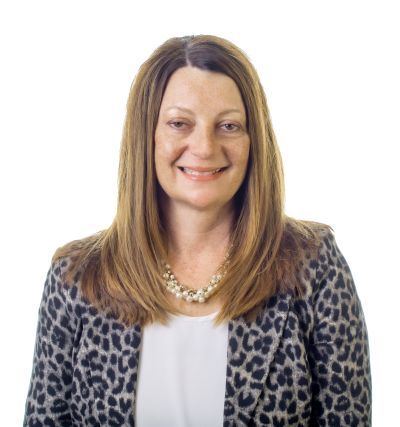 Brooke Lusk is the Director of the Division of Health and Human Services for Black Hills Special Services, a position she has held since 2004. Brooke is a Registered Nurse and has a Bachelor of Science degree in Biology from USD. She has 30 years of experience in health and human services programs, six of those years with the South Dakota Department of Health and twenty-four with Black Hills Special Services. Brooke provides nurse consultant services to the SD Department of Health Childhood Lead Poisoning Prevention Program. She oversees several other public health programs and programs that provide services and training to people with disabilities.
CEUs: SD Board of Social Work Examiners This organization (University of South Dakota – Provider #1048) is approved as a provider for continuing education by the South Dakota Board of Social Work Examiners. Social workers will receive up to 1.0 Continuing Education clock hours for participating in this course.